
Only 29,000 Jobs Added Last Month, How to Get Hired When Nobody's Hiring

You’ve sent applications. You’ve tailored a few resumes. And then… nothing. When every quiet inbox starts to feel like a rejection, it’s easy to assume the market has shut down completely.
The latest numbers explain why the search feels so tough, but they also point to a smarter way forward. The U.S. added just 29,000 jobs in September 2026, and unemployment ticked up to 4.2%. At the same time, employers announced 39% fewer job cuts through September than in the same period last year. That layoff figure measures announced cuts, not every job loss, but together, these trends suggest a cautious, low-hire, low-fire market, not a market with zero opportunity. (BLS report; Challenger, Gray & Christmas report)
That distinction matters. If companies are hiring slowly, sending out more generic applications won’t necessarily get you noticed. Your job search strategy needs to be more focused: target employers with a reason to hire, make your fit obvious, and build a path to a real conversation.
First, read the market clearly, not fearfully
September’s payroll growth was modest, and revisions reduced the previously reported gains for July and August by a combined 60,000. But the unemployment rate’s move to 4.2% was also accompanied by a larger labor force: more people were working or actively looking for work. It isn’t a simple signal that every sector is shedding jobs.
Health care was the clearest source of job growth, adding 17,000 positions. Construction added 11,000, and manufacturing added 9,000. Hospitality was mixed rather than booming: overall employment changed little, though food services showed hiring while accommodation lost jobs.
The takeaway: don’t choose a target based on a headline alone. Look for openings in your location, your role family, and the specific employers you can credibly help. A growing sector can still have intense competition, while a quieter sector may have a team with an urgent need.
1. Target teams with a reason to hire
Start by choosing two or three role families, not 20 unrelated job titles. For example, if you’re moving into HR, you might focus on recruiting coordination, HR operations, and people support. If you’re exploring health care, you might compare patient access, scheduling, and administrative support roles.
Then build a focused employer list. Include health care organizations and hospitals, plus food-service and hospitality employers where you can meet the stated requirements. Consider construction and manufacturing employers too, especially if your skills transfer to operations, coordination, customer service, or administrative work.
For each employer, ask:
Is the position newly posted, or has it been open for a while?
Does the job description name a pressing need: coverage, growth, a new system, seasonal demand?
Which three skills or outcomes appear repeatedly?
Who could explain what the team needs: a recruiter, hiring manager, employee, or professional contact?
Treat the posting as evidence, not a promise. A job listing is an opening to investigate, not proof that the company is hiring quickly or that you’re guaranteed a response.
2. Make your application easy to understand
When there are fewer openings, employers have less reason to guess how your experience fits. Customize your resume for the actual role, but don’t stuff it with keywords or claim skills you don’t have.
For every application:
Match the role’s language truthfully. If the posting asks for scheduling, customer communication, or Excel, use those terms when they accurately describe your experience.
Show outcomes, not just duties. “Handled customer inquiries” is less specific than “Resolved 30–40 customer questions per shift while maintaining accurate records.”
Put relevant proof near the top. Lead with experience, coursework, projects, volunteering, or transferable skills that connect directly to the job.
Keep formatting readable. Use clear headings and a simple layout that both applicant-tracking software and people can scan.
Don’t think of an applicant-tracking system as a wall to trick. Think of it as a system that needs clear, consistent information, and a recruiter who needs to see your relevance quickly.
3. Get in front of a human, with a reason to reach out
A connection won’t guarantee an interview, but it can help you learn what the team needs and make your application easier to place. Don’t send “Can you get me a job?” Send a brief, thoughtful message that shows you’ve done your homework.
Try this:
Hi Jordan, I saw your team is hiring for a recruiting coordinator. I’ve supported interview scheduling and candidate communication in my current role, and I’m interested in how your team handles high-volume hiring. I’ve applied and would value any advice on the skills that matter most for this position.
Reach out to people you know, alumni, former colleagues, professional-group members, and relevant recruiters. Ask for insight, not an obligation. If someone offers to refer you, make it easy: send the exact job link and a short note about why you match.
You can also contact the hiring team after applying, when a name is publicly available. Keep the message concise, professional, and specific. The goal is to create a useful human connection, not to pressure someone into a response.
4. Turn fewer openings into stronger interviews
The best time to prepare is before the invitation arrives. Review the job description and build a short evidence bank: examples of solving a problem, collaborating with others, learning a new tool, handling a difficult interaction, and delivering a result.
Use a simple structure to answer questions:
Situation: What was happening?
Action: What did you do?
Result: What changed because of your actions?
If you’re changing industries, connect the dots out loud. “I haven’t worked in a hospital yet, but I’ve managed sensitive customer information, coordinated time-sensitive requests, and stayed calm when priorities changed. Those skills translate to patient-access support.”
Prepare three thoughtful questions too:
“What would you want the person in this role to accomplish in the first 60 days?”
“Which skills are most important for the team right now?”
“What does a busy or challenging week look like in this position?”
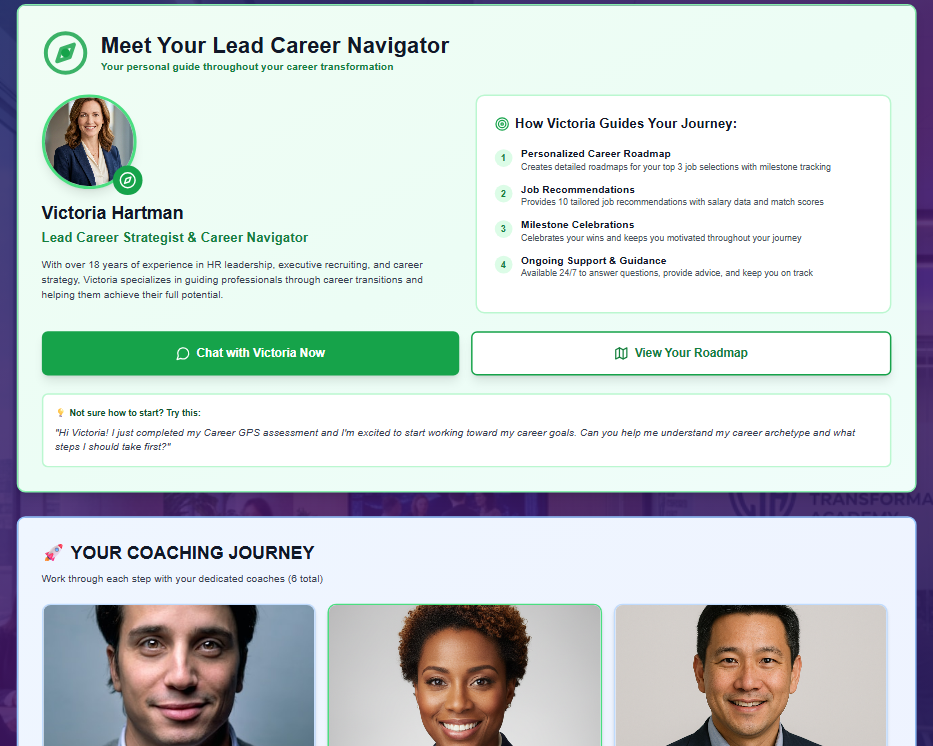
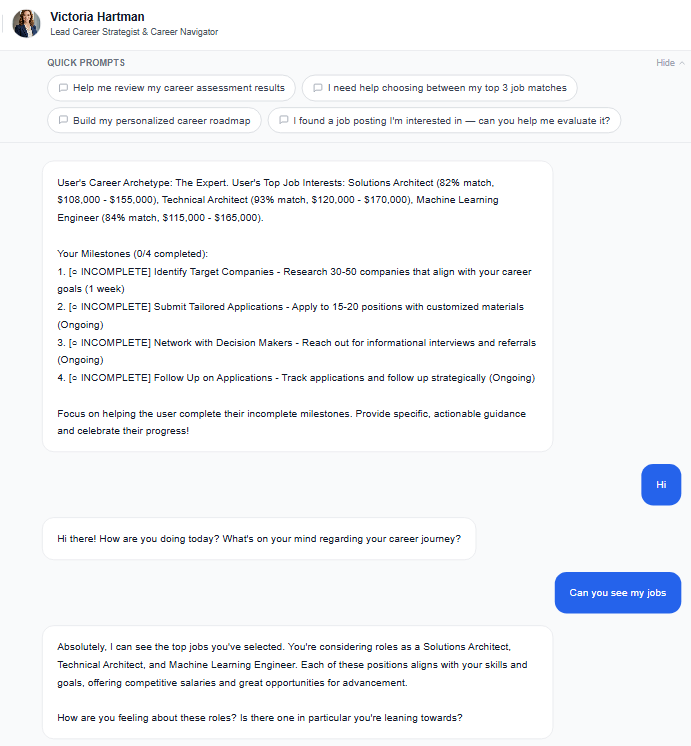
A career expert or structured coaching process can help you sharpen your examples, spot gaps in your story, and practice answering under pressure. Career Transformation Academy’s approach is built around clarifying your value, strengthening your personal brand, networking strategically, and preparing for interviews. Learn more about Career Transformation Academy.
5. Track your search like a process, not a verdict
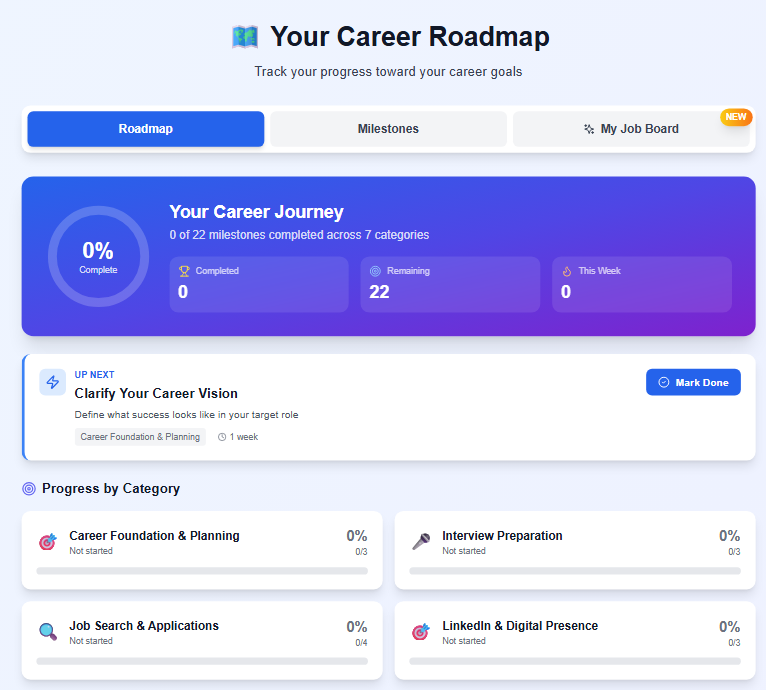
When replies are slow, more activity isn’t always better. Track a few measures weekly: targeted applications, relevant conversations, follow-ups, and interviews. If you’re sending many applications but getting no screens, revisit your targeting and resume. If you’re getting screens but not advancing, strengthen your interview examples and role-specific answers.
Try this one-week reset:
Choose 10–15 employers that fit your target roles.
Identify two or three openings that genuinely match your experience.
Tailor each resume and apply through the employer’s official channel.
Send three thoughtful networking messages tied to specific roles or teams.
Practice answers for the five experiences you want interviewers to remember.
Review what happened at the end of the week and adjust your next move.
This gives you a repeatable system without turning your job search into a full-time exercise in refreshing job boards.
Your next move: focus, connect, prepare
A market adding 29,000 jobs makes the search harder. It doesn’t make your experience irrelevant, or mean you should wait passively for better headlines. The September report points to a more selective environment: some areas are still adding jobs, layoffs are lower year over year, and employers are moving cautiously.
So navigate with intention. Target teams with real needs. Make your fit easy to recognize. Build human connections respectfully. Prepare before the interview arrives. A sharper job search strategy won’t create openings that don’t exist, but it can help you make the most of the ones that do.
Comments